ပင်မစာမျက်နှာ > ဖြေရှင်းချက် > စုံလင်သော ဓာတ်ငွေ့ဘေးကင်းလုံခြုံရေး ဖြေရှင်းချက်များ
စွမ်းအင်ကို ဖမ်းယူခြင်း၊ သိမ်းဆည်းခြင်းနှင့် လိုအပ်သည့်အချိန်တွင် ထုတ်လွှတ်ပေးခြင်းတို့အတွက် အရေးပါသော စီမံကိန်းတစ်ရပ်အဖြစ် စွမ်းအင်သိမ်းဆည်းရေးစီမံကိန်းများကို လျှပ်စစ်စနစ်များ၊ နောက်ဆုံးပေါ် စွမ်းအင်များဖြင့် မောင်းနှင်သော ယာဉ်များ (EV)၊ အိမ်သုံး စွမ်းအင်သိမ်းဆည်းရေးစနစ်များ စသည့် နယ်ပယ်များတွင် အကောင်အကဲဖော်မှုများ ပျံ့နှံ့စွာ အသုံးပြုကြသည်။ ရေပိုက်လေးမှုန်းသိမ်းဆည်းခြင်း (pumped storage)၊ လစ်သီယမ်ဘက်ထရီများနှင့် ခြုပ်ထားသောလေ စသည့် နည်းပညာများမှတစ်ဆင့် လျှပ်စစ်လိုင်းစနစ်၏ တည်ငြိမ်မှုကို အာမခံပေးရုံသာမက နေရောင်ခြင်း၊ လေစွမ်းအင် စသည့် ပြန်လည်အသုံးပြုနိုင်သော စွမ်းအင်များကို အသုံးပြုမှုကိုလည်း မြင့်တင်ပေးပါသည်။ သို့သော် လစ်သီယမ်-အိုင်ယွန် ဘက်ထရီများတွင် အပူပေါ်ပေါက်ခြင်း (thermal runaway) မှ ဆင်းသက်လာသော မီးဘေးများ မကြာခဏဖြစ်ပွားလာခြင်းကြောင့် လုံခြုံရေးသည် လုပ်ငန်းကွင်းတွင် အဓိကအာရုံစိုက်မှုဖြစ်လာခဲ့ပြီး ဓာတ်ငွေသိမ်းဆည်းမှုကို စောစောသိရှိရေးသည် အပူပေါ်ပေါက်ခြင်းမှ ပေါက်ကွဲမှုအထိ ပိုမိုဆိုးရွားလာခြင်းကို ကာကွယ်ရာတွင် အဓိကနည်းလမ်းဖြစ်လာခဲ့သည်။
ကိုယ်ပိုင်အပူပေါ်ပေါက်ခြင်း (thermal runaway) ကြောင့် ဖြစ်ပွားသော စွမ်းအင်သိမ်းဆည်းရေးလုံခြုံရေး ပြဿနာများ – ဤဓာတ်ငွေများသည် အပူပေါ်ပေါက်ခြင်း၏ "မြင်နိုင်သော သုတ်သင်ရေးများ" ဖြစ်သည်။
လစ်သီယမ်ဘက်ထရီများ၏ အပူပေါ်ပေါက်ခြင်း (thermal runaway) ကြောင့် ဖြစ်ပွားသော လုံခြုံရေးအန္တရာယ်များသည် ဤဖြစ်စဉ်အတွင်း ထုတ်လွှတ်လာသော အန္တရာယ်များရှိသော ဓာတ်ငွေများမှ စတင်ပါသည်။ ထို့အပ alongside ဟိုက်ဒရိုဂျင်စွမ်းအင်သိမ်းဆည်းရေးစနစ်များတွင် ဟိုက်ဒရိုဂျင် ယိုစိမ်းမှုများ ဖြစ်ပွားနိုင်ခြင်းသည်လည်း လုံခြုံရေးအန္တရာယ်များကို ဖန်တီးပေးပါသည်။
ထို့ကြောင့် H₂၊ VOCs နှင့် CO စသည့် အထူးဓာတ်ငွေများကို တိကျစွာ စောင်းကြောင်းဖြစ်စဉ်၏ အစောပိုင်းအသိပေးခြင်းအတွက် စောင်းကြောင်းဖြစ်စဉ်ကို စောစောသိရှိရန်နှင့် အန္တရာယ်များ ပိုမိုပြင်းထန်လာမှုကို ကာကွယ်ရန် အလွန်အရေးကြီးပါသည်။
II. အဓိကဖြေရှင်းနည်း - MST ပေါင်းစပ်ထားသော စောင်းကြောင်းဖြစ်စဉ် စောင်းကြောင်းဖြစ်စဉ်၏ အဆင့်အလုံးစုကို စောစောသိရှိရေးအတွက် အပြည့်အဝ ဖုံးလွှမ်းပေးသည့် စောင်းကြောင်းဖြစ်စဉ် စောင်းကြောင်းဖြစ်စဉ်
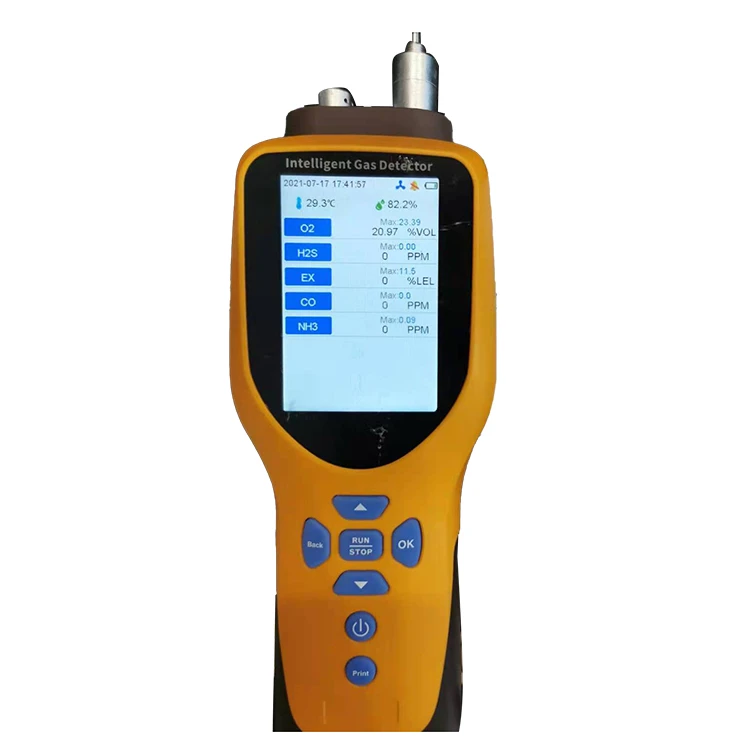
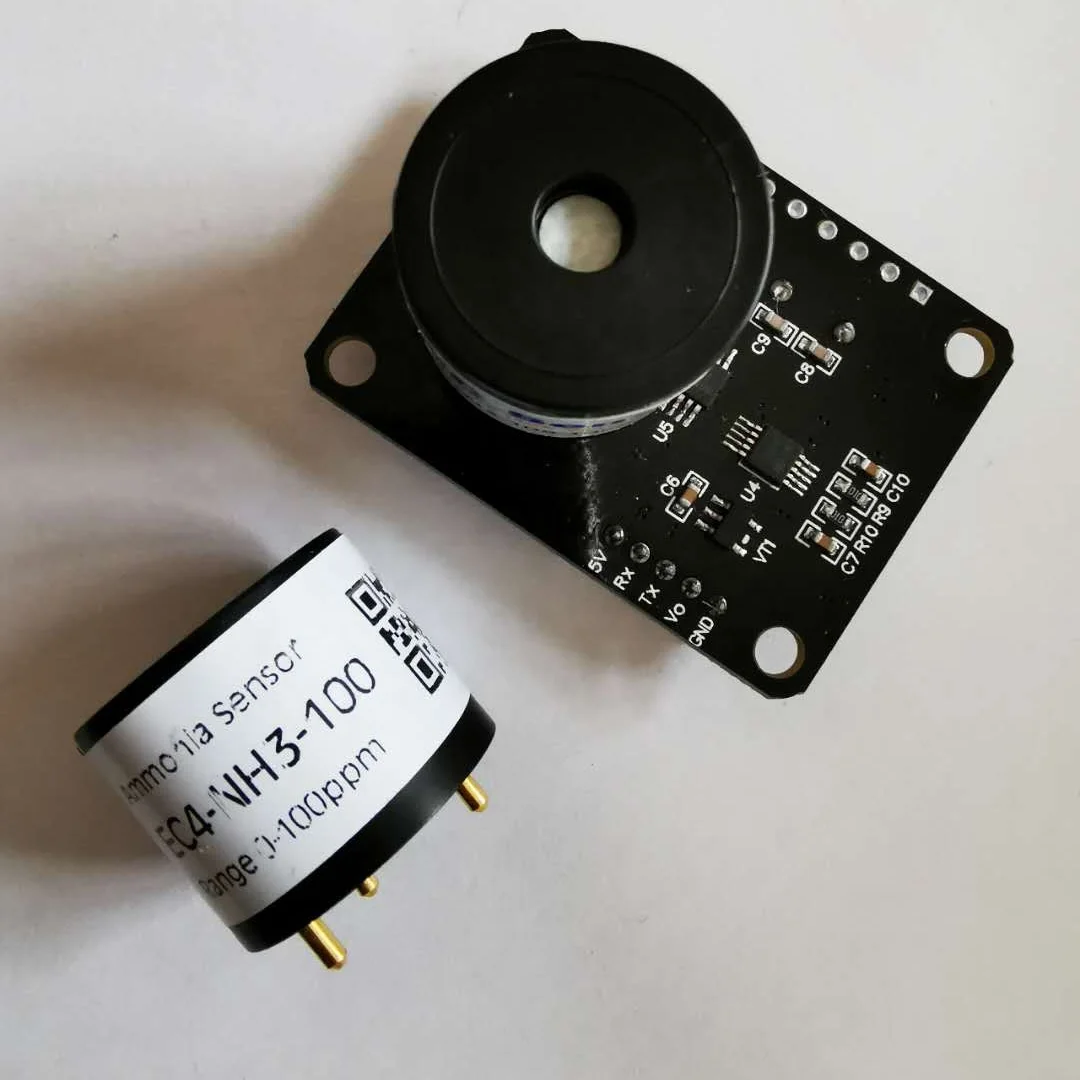
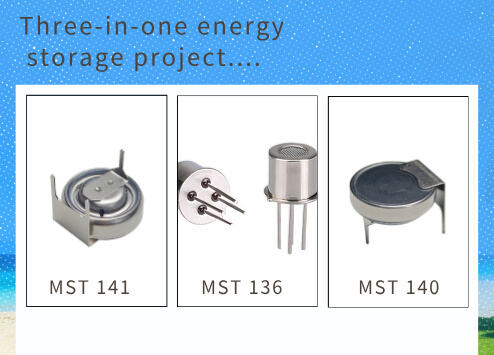
စွမ်းအင်သိုလှောင်မှု ပရောဂျက်များအတွက် ဓာတ်ငွေ စောင်းကြည့်မှုလိုအပ်ချက်များကို ဖြည့်ဆည်းပေးရန်အတွက် ကျွန်ုပ်တို့၏ကုမ္ပဏီသည် "အဆင့်တိုင်းအထိ စောင်းကြည့်မှု ပေါင်းစပ်ဖြေရှင်းနည်း" ကို မိတ်ဆက်လိုက်ပါသည် — MST136 စပက်ထရမ် ဓာတ်ငွေစောင်းကြည့်ကိရိယာ + MST140/MST141 လျှပ်ကူးဓာတ်ဖော်ပြမှု စောင်းကြည့်ကိရိယာများ၊ ဤဖြေရှင်းနည်းသည် အတိကျမှုမြင့်မားသော စောင်းကြည့်မှုနှင့် အမြန်တုံ့ပြန်မှုကို ဟန်ခေါင်းညှိပေးပြီး လစ်သီယမ်ဘက်ထရီနှင့် ဟိုက်ဒရိုဂျင်စွမ်းအင်သိုလှောင်မှုကဲ့သို့သော အခြေအနေများအတွက် အကောင်းဆုံးအကောင်းမှုရှိပါသည်။
၁။ စောင်းကြည့်မှု – MST136 လေထုအရည်အသွေး (အနံ့) စောင်းကြည့်ကိရိယာ
ပူပွန်မှု စောင်းကြည့်မှုအဆင့်တွင် ဓာတ်ငွေထုတ်လွှတ်မှုအဆင့်တွင် VOCs များသည် ပထမဆုံးထုတ်လွှတ်လေ့ရှိပြီး စောင်းကြည့်မှုအချက်များအဖြစ် အသုံးပြုကြပါသည်။ အကwide-spectrum ဓာတ်ငွေစောင်းကြည့်ကိရိယာအဖြစ် MST136 သည် အနည်းငယ်သာရှိသော ပြောင်းလဲနိုင်သော ဓာတ်ငွေများ (VOCs အပါအဝင်) အတွက် အလွန်မြင့်မားသော အာရုံခံနိုင်မှုရှိပါသည်။ ထို့ကြောင့် ဘက်ထရီသည် အရေးကြီးသော အပူချိန်သို့ မရောက်မီ အသေးစိတ်အချက်များကို ဖမ်းယူနိုင်ပြီး ဝန်ထမ်းများအတွက် တုံ့ပြန်မှုအချိန်ကို အကောင်းဆုံးအထိ ရရှိစေပါသည်။
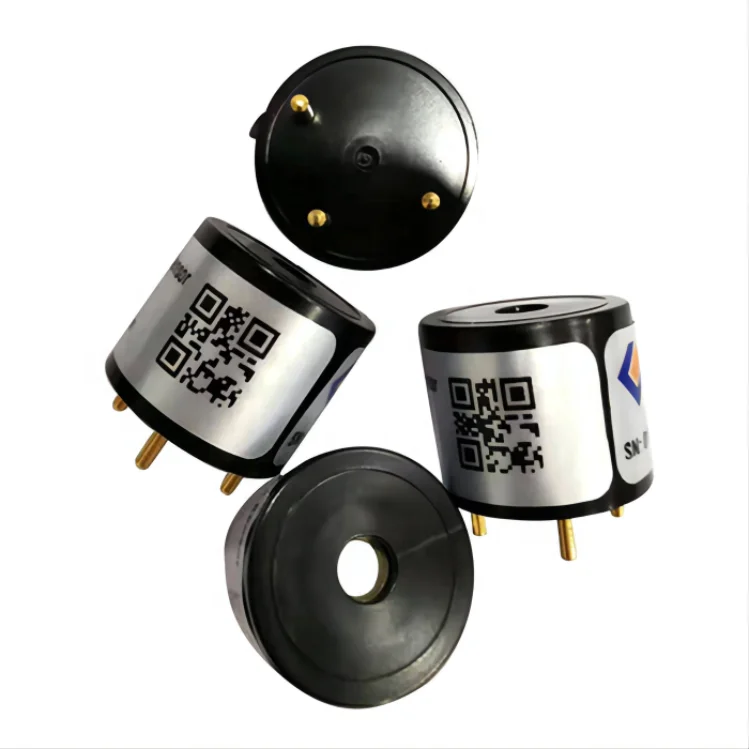
၂။ စွန့်စားမှုအတည်ပြုခြင်း - MST141 လျှပ်ကူးဓာတ်ပေါင်းစပ်မှု ဂါစ်စန်ဆာ
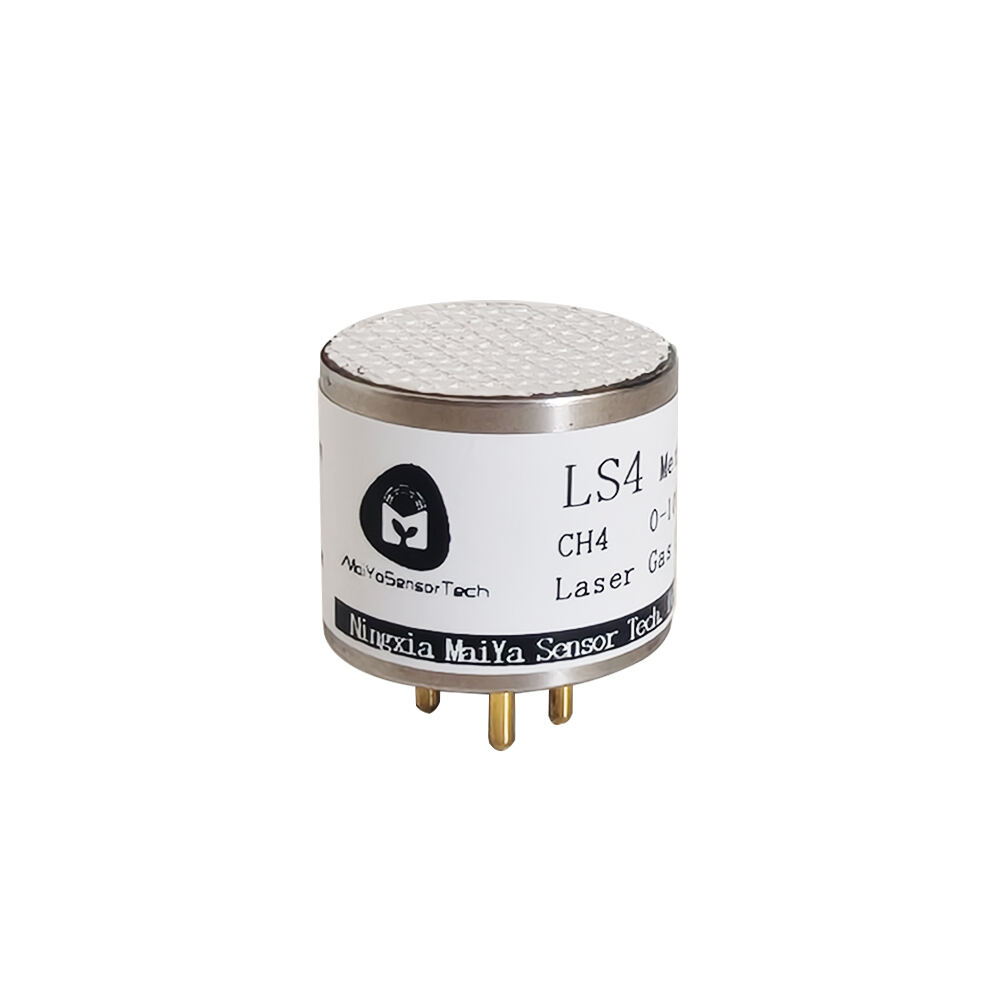
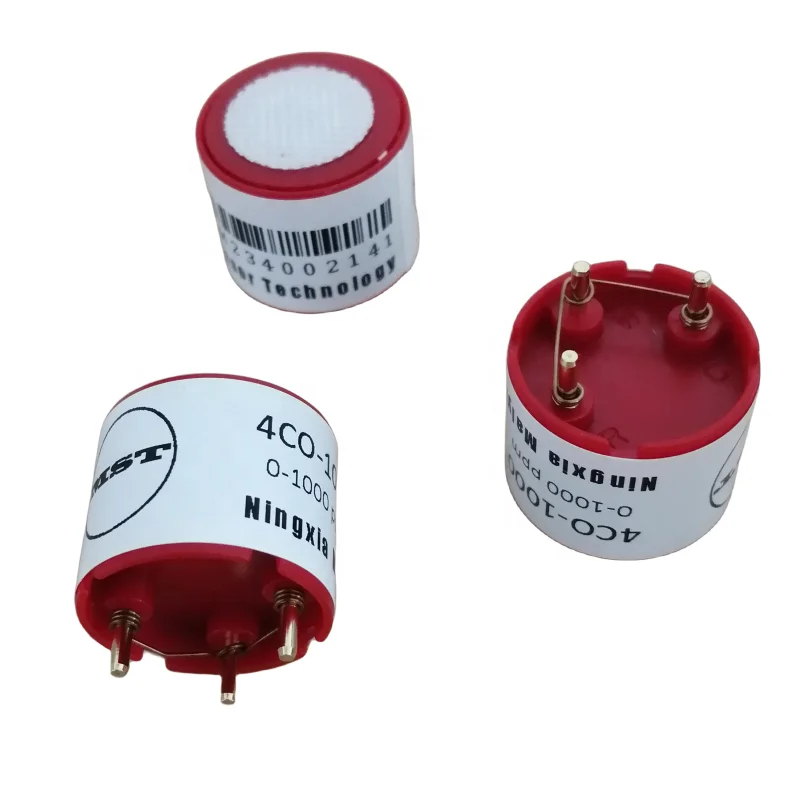
အပူပိုင်းအပူချိန်တွင် လီသီယမ်ဘက်ထရီများသည် ဟိုက်ဒရိုဂျင် (H₂) ပမာဏများစွာကို ထုတ်လွှတ်ပေးပါသည်။ ဟိုက်ဒရိုဂျင်သည် လွန်စွာလောင်ကြွမ်းနိုင်ပြီး ပေါက်ကွဲနိုင်သော ဓာတ်ငွေဖြစ်သား စွန့်စားမှုများ ပိုမိုဆိုးရွားလာခြင်းကို အကဲဖြတ်ရာတွင် အဓိကညွှန်ပ indicators ဖြစ်ပါသည်။ MST141 သည် ဟိုက်ဒရိုဂျင်အကွဲအပေါက်ကို အမြန်နှင့်တိကျစွာ စောင်းကြောင်းမှုပေးနိုင်ပြီး လောင်ကြွမ်းနိုင်သော ဓာတ်ငွေများ စုစည်းမှုအကြောင်း အချိန်နှင့်တွဲဖက်၍ သတင်းအချက်အလက်များကို ပေးစေပါသည်။
၃။ အရ emergency အရေးပေါ်တုံ့ပြန်မှု - MST140 လျှပ်ကူးဓာတ်ပေါင်းစပ်မှု စန်ဆာ
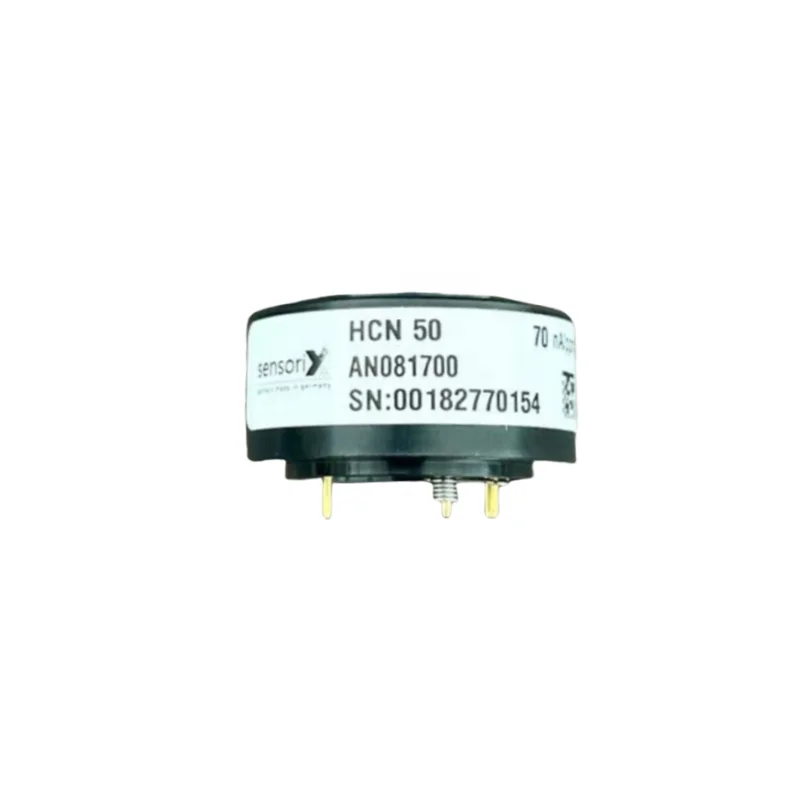
ကာဗွန်မိုနောက်ဆိုဒ် (CO) အကြိမ်ရောင်းမှု သိသိသာသာ တိုးပါသည်။ ထိုသို့သော အခြေအနေသည် အပူလွန်ကဲမှု (thermal runaway) သည် အလွန်အမင့် အန္တရာယ်များသော အဆင့်သို့ ရောက်ရှိပါသည်။ ထိုအချိန်တွင် မီးလောင်ခြင်း သို့မဟုတ် အပူချိန်မြင့်မှု စသည်တို့ ပါဝင်နိုင်ပါသည်။ ထိုအချိန်တွင် စစ်ဆေးသူများသည် ပိုက်ဆံအိတ်တွင် တပ်ဆင်နိုင်သော စမ်းသပ်ခြင်းကိရိယာများကို ဝတ်ဆောင်ရမည်ဖြစ်ပြီး အချိန်နှင့်တစ်ပါက အလွန်အမင့် ကာကွယ်ရေး စောင်းကြောင်းများကို လုပ်ဆောင်ရမည်ဖြစ်ပါသည်။ MST140 သည် ကာဗွန်မိုနောက်ဆိုဒ်အတွက် အလွန်မြန်ဆန်သော တုံ့ပြန်မှုရှိပြီး ထူးခြားသော ရေစိမ်မှုကာကွယ်ရေး ဖွဲ့စည်းပုံရှိပါသည်။ ထို့ကြောင့် ကာကွယ်ရေး စောင်းကြောင်းများနှင့် ပိုက်ဆံအိတ်တွင် တပ်ဆင်နိုင်သော စမ်းသပ်ခြင်းအတွက် အသုံးပြုနိုင်ပါသည်။
"H₂ + TVOC + CO" တို့ကို ပေါင်းစပ်၍ စောင်းကြောင်းများ လုပ်ဆောင်ခြင်းဖြင့် "သံသရောက်ဖွယ် သတိပေးခြင်း → အန္တရာယ် အတည်ပြုခြင်း → အရေးပေါ် တုံ့ပြန်မှု" ဟူသော တိက်မှုအတွက် တိက်မှု ဆုံးဖြတ်ခြင်း လုပ်ငန်းစဉ်ကို အကောင်အထည်ဖော်နိုင်ပါသည်။ ထို့ကြောင့် စွမ်းအင်သိုလှောင်မှု စီမံကိန်းများ၏ ဘေးကင်းရေး မှတ်စုကို အာမခံပေးနိုင်ပါသည်။
မိတ်ဆွေများအား သတိပေးအကြောင်းကြားခြင်း
စွမ်းအင်သိုလှောင်မှု ပရောဂျက်များတွင် ဓာတ်ငွေ စောင်းထောက်မှုကို "အဆင့်အလုံးစုံ ဖုံးလွှမ်းခြင်း" နှင့် "မြန်ဆန်စွာ တုံ့ပေးခြင်း" တို့ပေါ်တွင် အလေးပေးသင့်ပါသည်။ အစောပိုင်းအဆင့်တွင် အန္တရာယ် အစောပိုင်း လက္ခဏာများကို ဖမ်းယူရန် VOCs စောင်းထောက်မှုကို အသုံးပြုပါ။ အလယ်အဆင့်တွင် အန္တရာယ်ကို အတည်ပြုရန် ဟိုက်ဒရိုဂျင်ကို အသုံးပြုပါ။ နောက်ဆုံးအဆင့်တွင် အရေးပေါ်အခြေအနေများကို သတိပေးရန် ကာဗွန်မိုနောက်စီးဒ်ကို အသုံးပြုပါ။ စောင်းထောက်ကိရိယာများကို ဘက်ထရီ အခန်းများ၊ စွမ်းအင်သိုလှောင်မှု ကေဘီနက်များ၏ မှောင်မိုက်သော ထောင်ထောင်ထောင်များနှင့် ဓာတ်ငွေ စုပုံမှု ဧရိယာများတွင် ဦးစားပေး တပ်ဆင်သင့်ပါသည်။ ထိုသို့ဖြင့် စောင်းထောက်မှု မှုန်းမှုန်းမှုန်းမှုန်းမှုန်းမှုန်းမှုန်းမှုန်းမှုန်းမှုန်းမှုန်းမှုန်းမှုန်းမှုန်းမှုန်းမှုန်းမှုန်းမှုန်းမှုန်းမှုန်းမှုန်းမှုန်းမှုန်းမှုန်းမှုန်းမှုန်းမှုန်းမှုန်းမှုန်းမှုန်းမှုန်းမှုန်းမှုန်းမှုန်းမှုန်းမှုန်းမှုန်းမှုန်းမှုန်းမှုန်းမှုန်းမှုန်းမှုန်းမှုန်းမှုန်းမှုန်းမှုန်းမှုန်းမှုန်းမှုန်းမှ...... မရှိစေရန် အာမခံပါသည်။
အပြန်အလှန် လမ်းညွှန်မှု
သင့်၏ စွမ်းအင်သိုလှောင်မှု ပရောဂျက်သည် ပူပွန်းမှု ထိန်းချုပ်မှု အစောပိုင်း သတိပေးချက် စိန်ခေါ်မှုများကို ရင်ဆိုင်နေပါသလား။ သို့မဟုတ် MST ပေါင်းစပ်စောင်းထောက်ကိရိယာများ (ဥပမါ- လစ်သီယမ်ဘက်ထရီ စွမ်းအင်သိုလှောင်မှု၊ ဟိုက်ဒရိုဂျင် စွမ်းအင်သိုလှောင်မှု အခြေအနေများ) ၏ သီးသန့် လုပ်ဆောင်မှု အစီအစဉ်များကို သင်လေ့လာလိုပါသလား။ "စွမ်းအင်သိုလှောင်မှု စောင်းထောက်ကိရိယာ + ပရောဂျက်အမျိုးအစား" ဟု ပေးပို့ပါ။ ကျွန်ုပ်တို့သည် သင့်အား တစ်ဦးချင်းစီအတွက် နည်းပညာ အကူအညီနှင့် သင့်တော်သော ဖြေရှင်းနည်းများကို ပေးအပ်ပါမည်။
 အပူပြင်းသော သတင်း
2026-03-04
2026-02-12
2025-11-21
2025-11-13
2025-11-13
2025-10-29
 EN
EN